How Regular Carpet Cleaning Improves Workplace Safety
Workplace safety is often associated with equipment, training, and compliance protocols, but one of the most overlooked contributors to a safe environment is the condition of your flooring—particularly carpets. In commercial spaces, carpets endure constant exposure to foot traffic, environmental contaminants, spills, and airborne particles. Over time, these factors create hidden safety risks that are not always visible but can significantly impact both employees and visitors. Regular carpet cleaning is not simply a cosmetic service; it is a strategic investment in workplace safety, risk management, and long-term operational efficiency.
Unlike hard flooring, carpets have the ability to trap debris deep within their fibers. While this can initially prevent particles from becoming airborne, it also means contaminants accumulate over time. Without a structured cleaning schedule, carpets can transition from being protective surfaces to becoming sources of hazards. Businesses that prioritize routine and professional carpet care are better positioned to maintain safer, healthier, and more compliant environments.
Reducing Liability Risks from Slips and Trips
Slip-and-fall incidents remain one of the leading causes of workplace injuries across industries. Carpets that are not properly maintained can contribute to these incidents in several ways. Accumulated dirt and debris can create uneven surfaces, while moisture trapped within fibers can reduce traction. Additionally, neglected carpets may develop wrinkles, buckling, or loose edges, all of which increase the risk of trips.
Regular cleaning plays a critical role in preventing these issues. By removing embedded particles and ensuring proper drying after cleaning, businesses can maintain stable, even surfaces. Professional cleaning also helps identify early signs of structural wear, allowing for timely repairs before hazards escalate. This proactive approach not only protects individuals but also reduces the risk of costly liability claims.
Controlling Indoor Air Contaminants
Indoor air quality is directly linked to workplace safety, particularly in enclosed commercial environments. Carpets act as reservoirs for dust, pollen, bacteria, and other microscopic particles. With continuous movement, these contaminants can be released into the air, contributing to respiratory irritation, allergic reactions, and decreased comfort levels.
Routine carpet cleaning significantly reduces the concentration of these pollutants. Advanced cleaning methods extract deeply embedded particles that standard vacuuming cannot reach. As a result, the air becomes cleaner, and the overall environment becomes safer for daily occupancy. This is especially important in offices, healthcare facilities, and educational settings where air quality has a direct impact on well-being and performance.
Preventing Microbial Growth and Hidden Health Risks
Moisture is one of the most dangerous elements when it comes to carpet safety. Whether from spills, humidity, or improper cleaning techniques, moisture can penetrate deep into carpet layers and remain trapped for extended periods. This creates ideal conditions for mold, mildew, and bacterial growth—often without immediate visible signs.
These microorganisms can compromise workplace safety by contributing to health issues such as respiratory infections, skin irritation, and allergic responses. Regular professional carpet cleaning ensures thorough moisture extraction and sanitization, effectively minimizing the risk of microbial development. This not only protects the physical integrity of the carpet but also safeguards the health of everyone داخل the space.
Enhancing Visibility and Hazard Detection
Dirty carpets can obscure potential hazards, making it difficult to identify issues such as spills, sharp objects, or damaged areas. In high-traffic commercial environments, this lack of visibility can increase the likelihood of accidents. Clean carpets, on the other hand, provide a clear and consistent surface that allows hazards to be quickly identified and addressed.
Regular maintenance ensures that carpets remain visually clean and free from distractions. This improved visibility supports better overall safety management, as employees and facility managers can more easily monitor and respond to potential risks.
Supporting Ergonomics and Physical Comfort
Carpets contribute to workplace ergonomics by providing cushioning underfoot, reducing strain on joints and muscles. However, when carpets become compacted with dirt and debris, they lose their ability to provide adequate support. This can lead to discomfort, fatigue, and even long-term physical strain for employees who spend extended periods standing or walking.
Professional cleaning restores the resilience of carpet fibers, helping maintain their cushioning properties. This not only improves comfort but also supports better posture and reduces the risk of musculoskeletal issues, contributing to a safer and more productive work environment.
Reducing Chemical Residue and External Contaminants
Commercial spaces are frequently exposed to chemicals, oils, and pollutants that are tracked in from outside. These substances can accumulate in carpets and remain there if not properly removed. Over time, exposure to such residues can pose health risks, particularly in environments where employees have prolonged contact with flooring.
Regular deep cleaning eliminates these contaminants, ensuring that carpets do not become long-term sources of exposure. Modern cleaning techniques are designed to remove residues effectively while maintaining the integrity of the carpet, creating a safer indoor environment overall.
Maintaining Compliance and Professional Standards
Many industries are subject to health and safety regulations that require maintaining clean and hazard-free environments. Carpets that are not properly maintained can lead to non-compliance, resulting in penalties or reputational damage. Regular carpet cleaning helps businesses meet these standards by addressing cleanliness, hygiene, and safety requirements.
Beyond compliance, a clean environment reflects a company’s commitment to professionalism and care. This can positively influence how employees, clients, and stakeholders perceive the organization.
The Strategic Value of Professional Carpet Cleaning
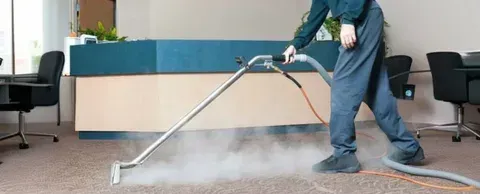
While routine vacuuming is essential for day-to-day upkeep, it does not address the deeper issues that impact safety. Professional services use specialized equipment and techniques to deliver comprehensive cleaning results. Methods such as hot water extraction and low-moisture cleaning are designed to remove contaminants at a deeper level while ensuring minimal downtime for businesses.
For companies looking to maintain high safety standards, investing in expert services like carpet cleaning is a practical and effective solution. These services provide the expertise and technology needed to manage risks that are often overlooked in routine maintenance.
Conclusion
Regular carpet cleaning is a foundational element of workplace safety that extends far beyond aesthetics. By addressing risks such as slips, airborne contaminants, microbial growth, and structural wear, businesses can create environments that prioritize health, comfort, and security. A well-maintained carpet not only enhances the physical space but also supports operational stability and employee well-being. In a competitive business landscape, investing in cleanliness and safety is not optional—it is essential for long-term success.